
Jan 10, 2026

Pawel Gola
Framer & Webflow Expert
The world of ecom websites is entering a bold new era as 2026 approaches, with digital innovation reshaping how brands engage and inspire shoppers. In this article, we spotlight 12 ecom websites that set the standard for design, technology, and customer experience. Discover their cutting-edge features, pricing insights, and future-focused strategies that make them trendsetters in the industry. Get ready to learn from the best, as we reveal how these leaders capture attention, build loyalty, and drive lasting results in the evolving eCommerce landscape.
Key Trends Shaping eCommerce in 2026
The world of ecom websites is transforming rapidly as technology, consumer values, and market expectations shift. In 2026, online retail is being shaped by a new wave of innovation, placing customer experience and digital efficiency at the forefront.
Rise of AI-Driven Personalization
AI is redefining how ecom websites engage shoppers. By analyzing browsing behavior and purchase history, AI tailors product recommendations and content to each visitor. Many brands now use machine learning to boost conversion rates and foster loyalty.
AI chatbots handle up to 80 percent of customer interactions, streamlining support and freeing up resources. According to AI-driven personalization boosts revenue, companies leveraging these tools see up to 40 percent more revenue, proving the power of personalization in modern eCommerce.
Seamless Mobile-First Experiences
Mobile usage dominates ecom websites, with over 82 percent of consumers discovering products via smartphones or social media. Responsive design and thumb-friendly navigation are essential for keeping shoppers engaged.
Leading brands invest in lightning-fast load times and intuitive layouts. Features like sticky menus, one-tap checkout, and mobile-optimized images ensure a smooth path from discovery to purchase.
Integration of Augmented Reality (AR) and Virtual Try-Ons
AR is enhancing product visualization on ecom websites, especially for categories like furniture and fashion. Shoppers can virtually place a sofa in their living room or try on glasses before buying.
This technology reduces returns and increases buyer confidence. Brands with standout AR features see higher satisfaction rates and more repeat business.
Emphasis on Sustainability and Transparency
Sustainability is a top concern for consumers choosing ecom websites. Brands that highlight eco-friendly materials, ethical sourcing, and transparent supply chains attract loyalty and positive brand sentiment.
Some leading sites display carbon footprint calculators or detailed sourcing stories, strengthening trust and encouraging responsible shopping.
Community-Driven Content and Social Proof
Ecom websites are leveraging user-generated content to create vibrant communities. Customer reviews, testimonials, and shared photos add authenticity and foster engagement.
Sites that integrate customer stories or allow shoppers to contribute content build trust and keep visitors returning. Social proof is now a core part of the online shopping journey.
Streamlined Checkout and Payment Innovations
A frictionless checkout process is vital for ecom websites aiming to reduce cart abandonment. Innovations like one-click checkout, digital wallets, and alternative payment methods make buying effortless.
Optimized checkouts lead to higher conversion rates and better customer satisfaction. Simple, secure payment flows are now expected by shoppers everywhere.
Robust Security and Data Privacy
Security remains a non-negotiable for ecom websites. SSL encryption, clear privacy policies, and visible trust badges reassure customers their data is safe.
Transparent explanations of data usage and robust protection measures help build confidence and safeguard brand reputation. As privacy expectations rise, brands must prioritize secure transactions.
12 Inspiring Ecom Websites to Watch in 2026
Discover the next generation of ecom websites redefining digital retail. Each of these standout brands excels in user experience, technology, and customer connection. Let’s explore what makes them trendsetters for 2026, from smart personalization to immersive design. For those seeking even more inspiration, browse Popular eCommerce Website Templates to see a curated selection that complements these industry leaders.
Burrow
Burrow stands at the forefront of ecom websites by revolutionizing the furniture shopping experience. With modular sofas starting at $1,199, shoppers can use a 3D product configurator and AR visualization to design their ideal setup. This approach removes guesswork and increases buyer confidence.
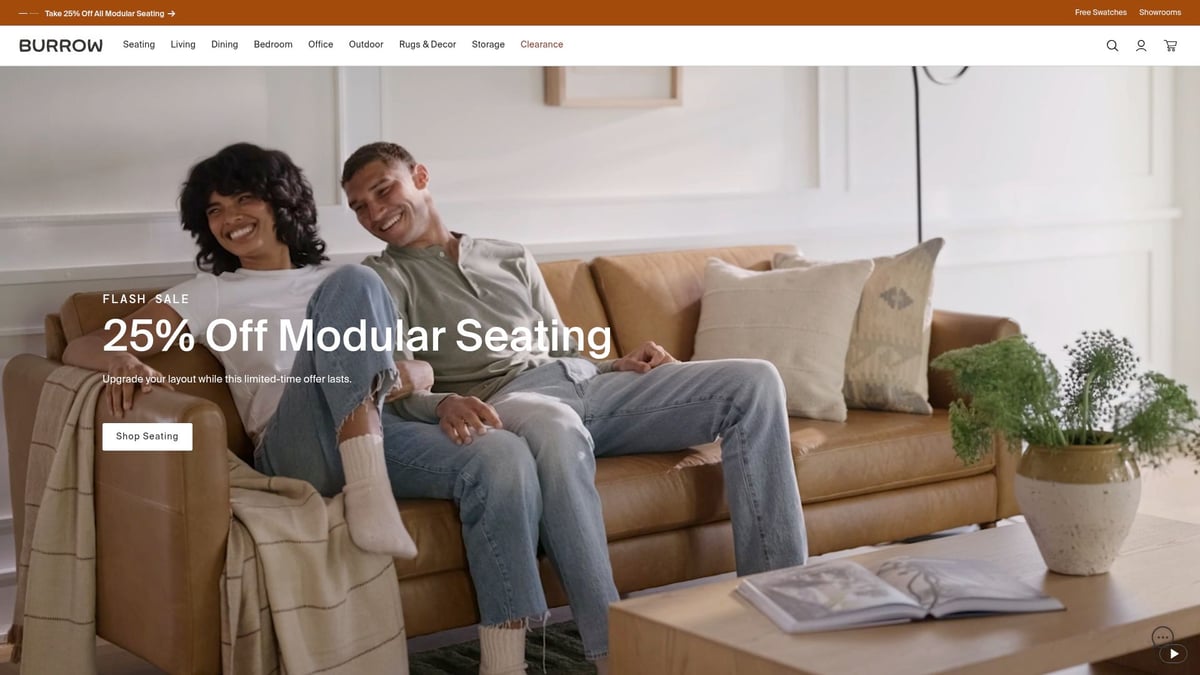
Key features include:
Modular customization
Transparent pricing
Easy delivery options
Burrow targets urban dwellers, young professionals, and families seeking convenience and style.
Pros vs Cons Table:
Pros | Cons |
|---|---|
Interactive customization | Higher price point |
Transparent pricing | Limited physical showrooms |
Fast shipping |
What makes Burrow unique among ecom websites is its seamless blend of advanced technology and customer-centric design, setting a high bar for digital shopping.
Bite Toothpaste Bits
Bite Toothpaste Bits is a leader among ecom websites that champion sustainability. With subscriptions starting at $8 per month, Bite offers plastic-free toothpaste tabs made from natural ingredients. Their subscription model ensures convenience while supporting eco-friendly living.
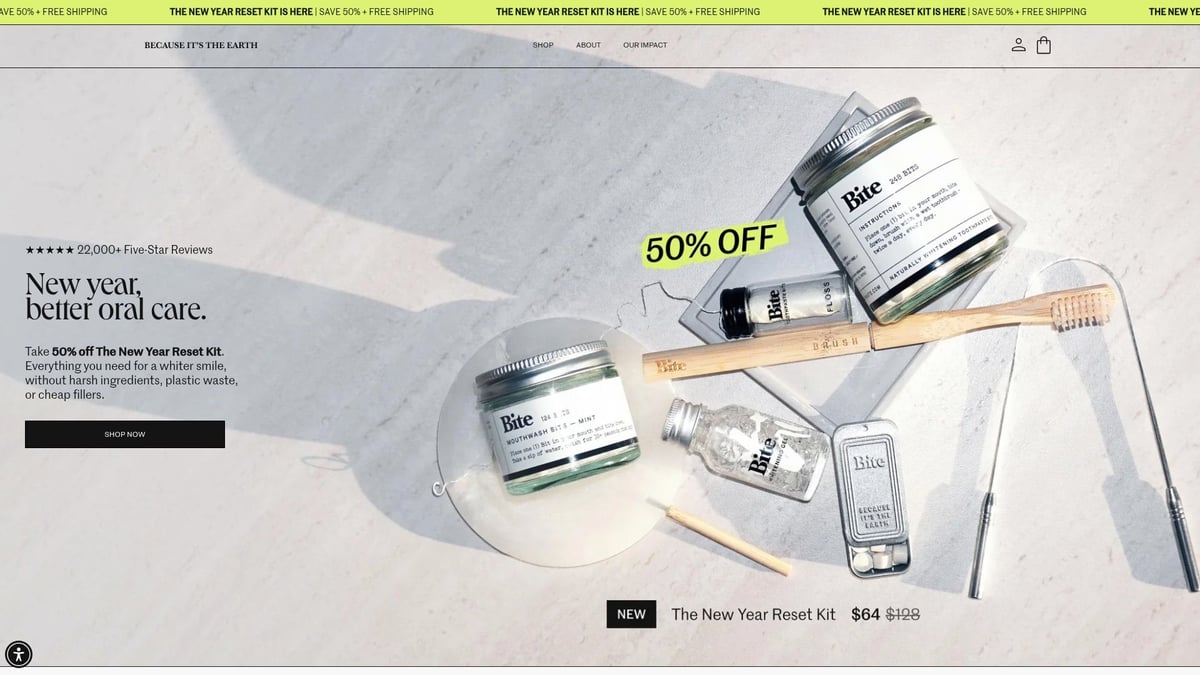
Notable features:
Plastic-free packaging
Interactive chatbox
Standout visuals and high-quality imagery
The brand appeals to eco-conscious consumers and zero-waste advocates.
Pros vs Cons Table:
Pros | Cons |
|---|---|
Strong sustainability | Niche appeal |
High-quality imagery | Higher cost than traditional toothpaste |
Clear brand values |
Bite’s clear mission and engaging website visuals make it a standout in the world of ecom websites focused on ethical impact.
Great Jones
Great Jones brings playful energy to ecom websites in the cookware space. Their sets start at $98, featuring vibrant branding and a heavy focus on user-generated content, especially recipes shared by real customers.
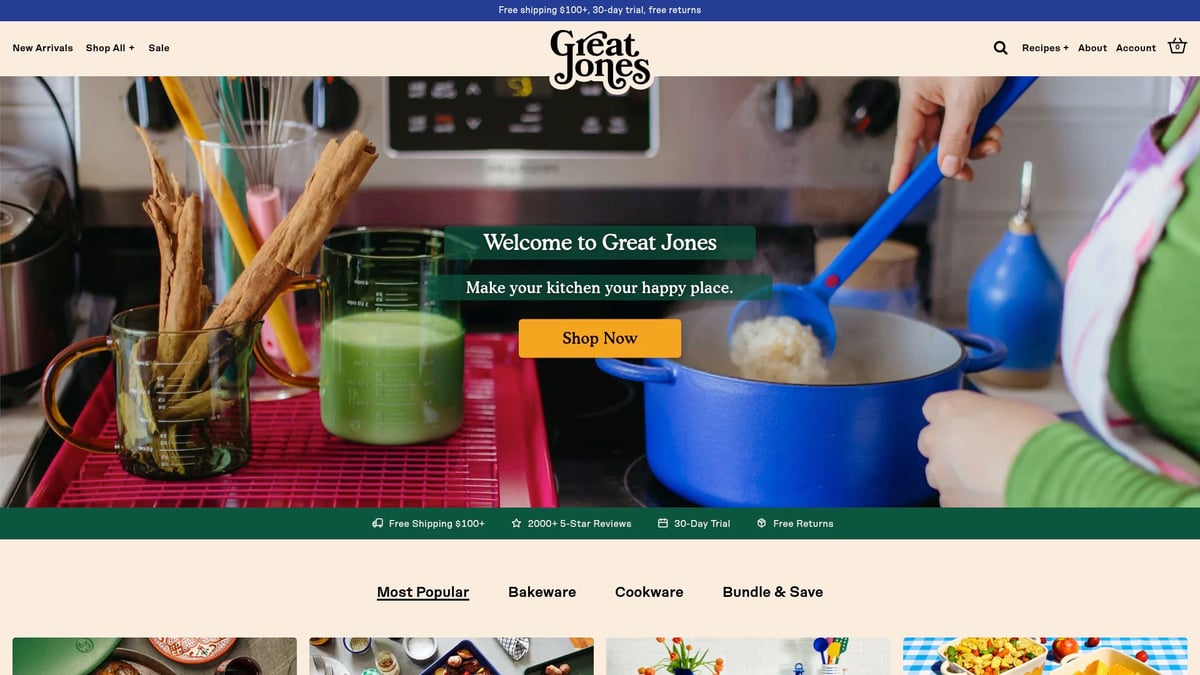
Core features include:
Retro-inspired design
Community-driven recipe galleries
Playful, engaging copy
Targeting home cooks, millennials, and design-savvy shoppers, Great Jones stands out for its accessible, community-first approach.
Pros vs Cons Table:
Pros | Cons |
|---|---|
Engaging copy | Limited product range |
Beautiful product photography | Premium pricing |
Community content |
Among ecom websites, Great Jones excels at building community through content and design.
ICONIC London
ICONIC London is one of the ecom websites redefining beauty retail. With products from $15, their mobile-first design, video tutorials, and “Shop the Look” galleries make shopping dynamic and engaging.
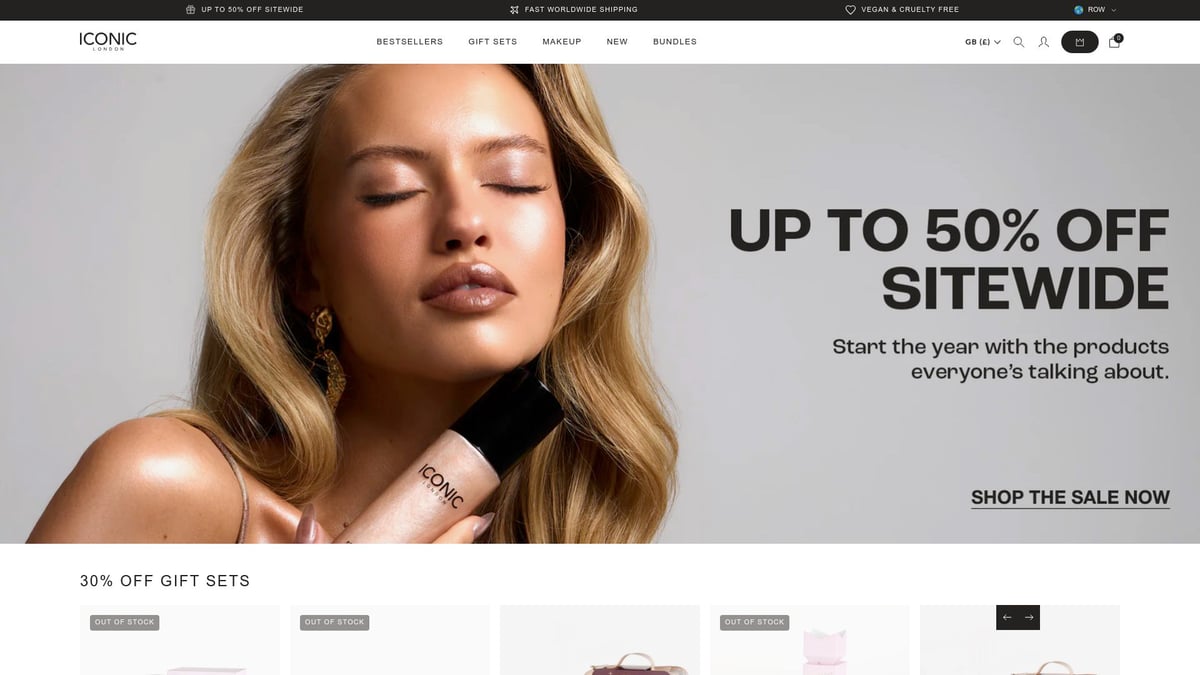
Key highlights:
Fast-loading mobile experience
Integrated customer reviews
Heavy use of video and user-generated content
Their audience includes beauty enthusiasts, Gen Z, and mobile shoppers.
Pros vs Cons Table:
Pros | Cons |
|---|---|
Fast loading | Limited to beauty niche |
Integrated reviews | International shipping costs |
Dynamic content |
ICONIC London’s approach to ecom websites demonstrates how video and social proof can drive conversions and loyalty.
Allbirds
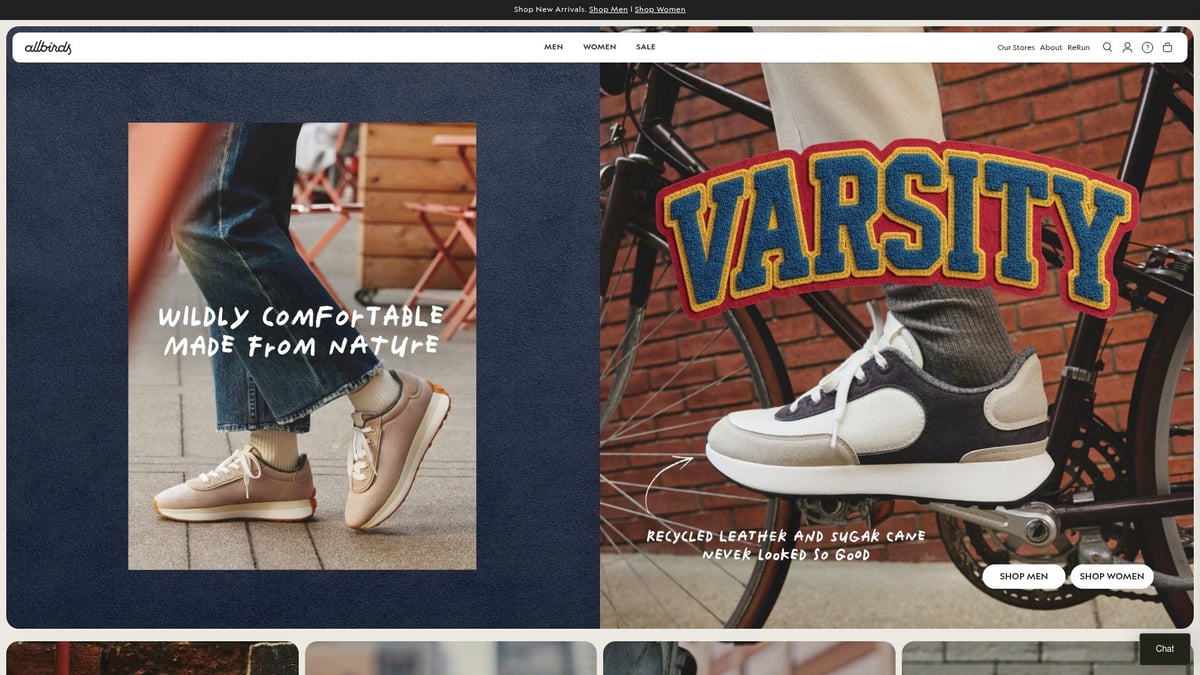
Allbirds sets the standard for sustainability among ecom websites. Shoes start at $98, featuring a minimalist design and a carbon footprint calculator that educates shoppers about their impact.
Notable features:
Transparent sustainability messaging
Eco-friendly materials
Emotional storytelling
Allbirds appeals to urban professionals and environmentally focused shoppers.
Pros vs Cons Table:
Pros | Cons |
|---|---|
Clear messaging | Limited product variety |
Uncluttered user experience | Premium price |
Strong mission |
Allbirds weaves sustainability into every aspect, making it a role model for ecom websites with a conscience.
Nugget
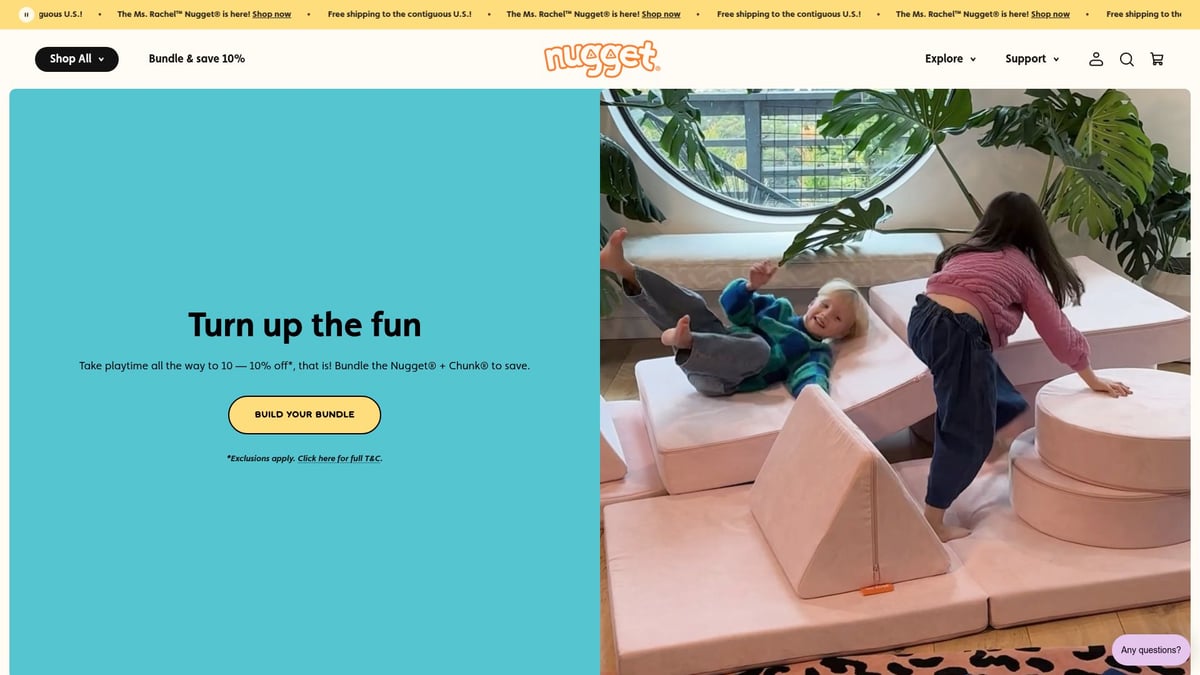
Nugget reimagines play furniture within ecom websites, offering modular play couches from $249. Their site features visual storytelling, customer “build” galleries, and detailed FAQs to spark creativity and address common concerns.
Key features:
User-generated galleries
Visual storytelling
Detailed FAQs
The primary audience includes parents, families, and educators.
Pros vs Cons Table:
Pros | Cons |
|---|---|
Authentic user content | Niche focus |
Clear product info | Shipping costs |
Community engagement |
Nugget transforms a simple product into an imaginative experience, a rare accomplishment among ecom websites.
Potion
Potion brings fresh energy to ecom websites in the SaaS sector, with custom video software starting at $19 per month. The site features 3D animations, interactive integrations, and playful GIFs, making the user experience both informative and fun.

Standout features:
3D animations
Movable claymorphism mascot
Interactive product demos
Potion’s audience includes SaaS buyers, digital marketers, and SMBs.
Pros vs Cons Table:
Pros | Cons |
|---|---|
Fun interface | May overwhelm traditional users |
Modern design | Limited to video niche |
Interactive elements |
Potion’s unique visual identity and engagement tools set it apart from traditional ecom websites.
Farrow & Ball
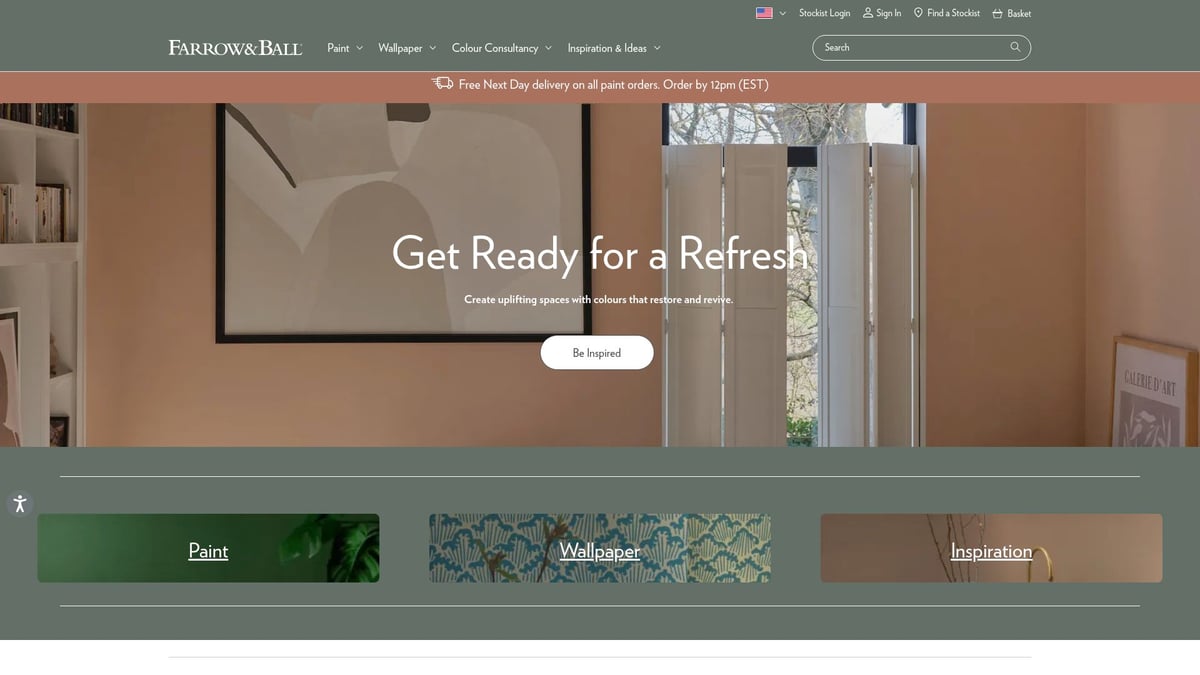
Farrow & Ball elevates paint shopping on ecom websites, with prices from $120 per gallon. Their digital showroom and color calculators help customers make confident decisions.
Key features:
Inspirational content
Digital showroom tours
Interactive color selection tools
Their main audience includes interior designers, homeowners, and DIYers.
Pros vs Cons Table:
Pros | Cons |
|---|---|
Rich content | High price |
Seamless navigation | Limited to home decor |
Expert advice |
Farrow & Ball’s content-rich, interactive approach positions it as a leader among ecom websites for home improvement.
Patagonia
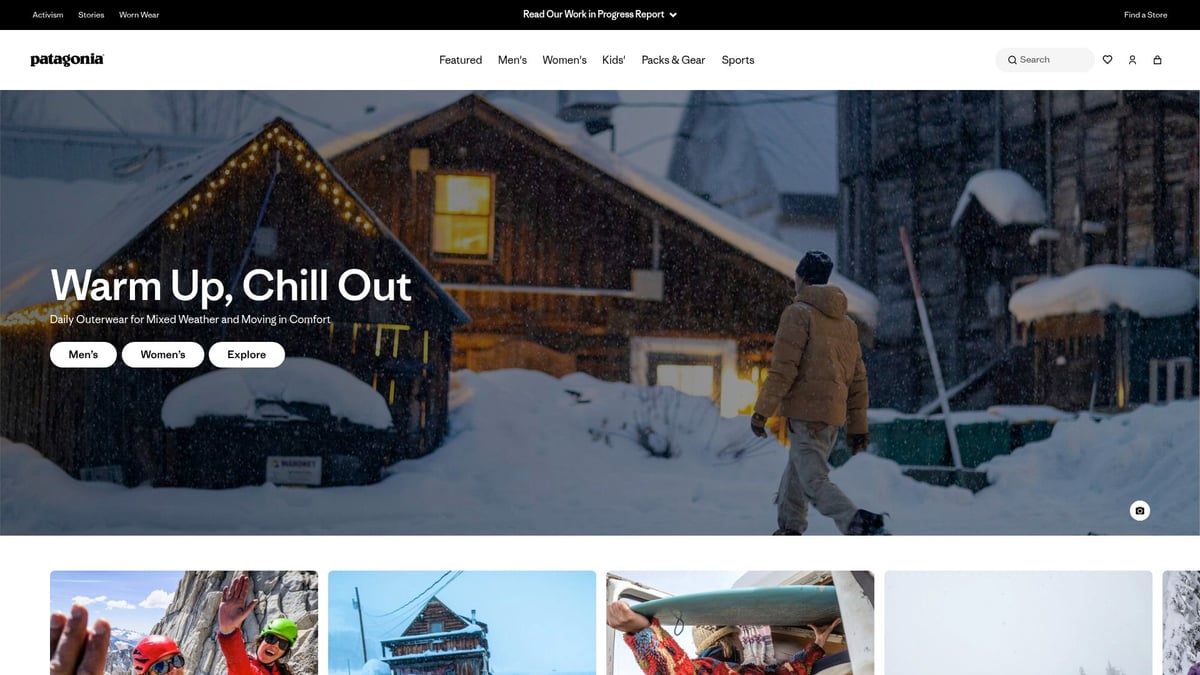
Patagonia is a mission-driven force in ecom websites, known for outerwear from $99 and its Worn Wear program. The site highlights environmental advocacy and transparency throughout the customer journey.
Notable features:
Mission-driven storytelling
Worn Wear (used gear) program
Advocacy for environmental causes
Patagonia appeals to outdoor enthusiasts and eco-conscious shoppers.
Pros vs Cons Table:
Pros | Cons |
|---|---|
Transparency | Premium pricing |
Detailed product info | Focused product range |
Activism |
Patagonia’s blend of activism and commerce is a benchmark for ecom websites seeking deeper customer trust.
Zeuss
Zeuss offers personalized health and wellness solutions, making it a standout among ecom websites for men’s care. Pricing varies by plan, with a split-screen landing page and clear navigation that creates a modern, professional feel.

Core features:
Personalized landing pages
High-quality model photos
Minimal distractions
Target audience includes men seeking hair, skin, and weight loss solutions.
Pros vs Cons Table:
Pros | Cons |
|---|---|
Tailored experience | Limited to men’s health |
Clean, modern design | Requires consultation |
Professional branding |
Zeuss’s approach to ecom websites proves the value of personalization and clarity in digital health.
Glossier
Glossier blurs the line between content and commerce, making it a leader among ecom websites. Skincare and makeup start at $12, with authentic imagery, user reviews, and seamless blog integration.
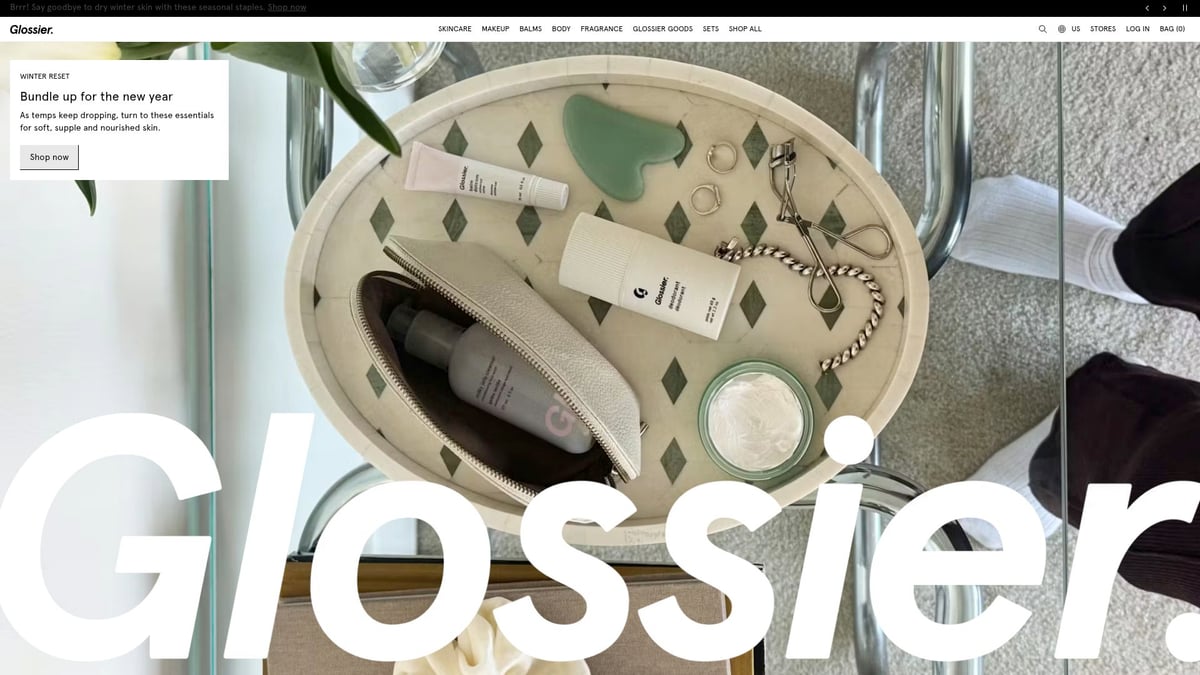
Key elements:
User-generated photos and reviews
Editorial content blended with product pages
Inclusive, relatable brand voice
Glossier’s audience includes millennials, Gen Z, and beauty lovers.
Pros vs Cons Table:
Pros | Cons |
|---|---|
Seamless blog integration | Limited to beauty |
Diverse representation | Shipping restrictions |
Community-driven |
By merging editorial and shopping, Glossier redefines engagement for ecom websites.
Black Star Pastry
Black Star Pastry delights visitors with a gamified, card-based homepage, pastries from $6, and draggable elements. Its playful, illustration-like design makes the site memorable among ecom websites.
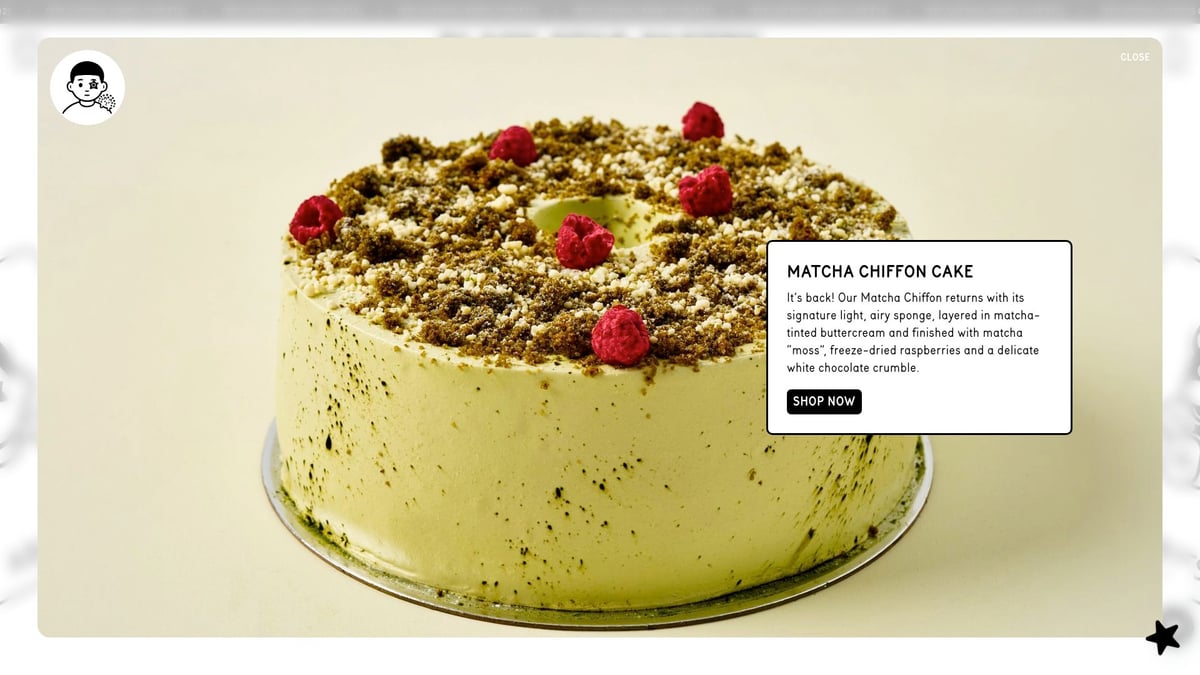
Key features:
Gamified navigation
Draggable menu elements
Unique illustration visuals
The brand appeals to foodies, families, and design enthusiasts.
Pros vs Cons Table:
Pros | Cons |
|---|---|
Playful design | Limited to local delivery |
Standout visuals | Niche appeal |
Unique menu |
Black Star Pastry’s interactive approach proves ecom websites can be both fun and functional.
What Makes These eCommerce Websites Stand Out?
The most inspiring ecom websites of 2026 are defined by more than just beautiful interfaces. They combine technology, creativity, and a deep understanding of evolving consumer needs. These sites set new benchmarks in user experience, storytelling, and innovation. Let us explore the key elements that make these ecom websites true leaders in the field.
Innovative Use of Technology
Leading ecom websites are at the forefront of digital innovation. They leverage AR, 3D product configurators, and interactive animations to deliver immersive shopping experiences. For instance, Burrow’s 3D sofa builder allows users to visualize products in their own space, reducing purchase hesitation. This trend is only expected to grow, with the AI in eCommerce market to reach $41.37 billion by 2027, highlighting the increasing role of machine learning and smart tech in ecom websites. These advancements keep shoppers engaged and give brands a competitive edge.
Brand Storytelling and Content Integration
Ecom websites stand out when they embed storytelling across their platforms. Through blogs, user stories, and real-life content, brands like Glossier and Great Jones blur the line between inspiration and commerce. Their sites feature editorial content, recipes, and community highlights that invite visitors to connect emotionally. This approach not only drives engagement but also encourages repeat visits, making the site a destination, not just a store.
Personalization and Customer-Centric Design
Personalization is a hallmark of top ecom websites. Zeuss, for example, tailors health solutions based on individual needs, while other brands use AI to recommend products and content. Personalized landing pages and curated suggestions make shoppers feel valued, increasing satisfaction and loyalty. By focusing on the user, these ecom websites create journeys that feel bespoke, boosting conversion rates and lifetime value.
Seamless Navigation and Mobile Optimization
Modern ecom websites excel at delivering smooth, mobile-first experiences. Thumb-friendly menus, fast load times, and intuitive navigation are now essential, especially as most shopping begins on smartphones. Sites like ICONIC London set the bar high with responsive layouts and clear calls to action. For those building or redesigning their own sites, resources like the Best eCommerce Framer Templates offer inspiration for creating mobile-optimized, visually engaging ecom websites.
Sustainability and Ethical Practices
A growing number of ecom websites now communicate their commitment to sustainability. Brands such as Allbirds and Patagonia display their carbon footprint, ethical sourcing, and environmental initiatives right on product pages. This transparency resonates with modern consumers, who increasingly prefer to shop with brands that share their values. Sustainable practices also foster brand loyalty and positive word of mouth.
Community Building and Social Proof
Successful ecom websites actively build communities around their products. They showcase user-generated content, reviews, and testimonials, turning customers into advocates. Nugget’s customer “builds” and Black Star Pastry’s gamified UX are prime examples of how engaging with shoppers can enhance trust and excitement. Social proof, such as real photos and honest feedback, is now integral to the online buying process.
Checkout Simplicity and Security
The best ecom websites remove friction from the checkout process. Features like one-click payment, digital wallets, and transparent security measures help reduce cart abandonment. Trust badges and clear privacy policies reassure shoppers that their data is safe. These sites ensure that the final steps of the customer journey are as smooth and trustworthy as the browsing experience.
How to Apply These Lessons to Your Own eCommerce Website
Adapting the strategies of top ecom websites is essential for staying competitive in 2026. By focusing on user experience, storytelling, personalization, and technology, you can create a site that stands out and drives results. Here’s how to bring these lessons to your own ecom websites.
Prioritize User Experience (UX) and Accessibility
Start with intuitive navigation, fast load times, and mobile optimization. Responsive layouts ensure ecom websites perform well on any device. Consider using proven design resources, such as those reviewed in the eCommerce Webflow Templates Guide, to inspire layouts that prioritize accessibility and usability.
Use clear menus and logical site structure.
Implement alt text for all images.
Test for keyboard and screen reader compatibility.
A seamless user experience builds trust and keeps visitors engaged.
Invest in Visual Storytelling
High-quality visuals and videos help ecom websites communicate more effectively. Showcase products with crisp photos, 360-degree views, and authentic user-generated content. Visual storytelling not only informs but also evokes emotion, inspiring visitors to connect with your brand.
Feature real customer photos.
Use product demonstration videos.
Integrate interactive galleries.
This approach makes shopping memorable and boosts conversion rates.
Embrace Personalization and AI-Driven Features
Personalization is a hallmark of leading ecom websites. Use AI to tailor product recommendations, content, and support. AI chatbots now handle 80% of customer interactions, as highlighted in this eCommerce AI statistic, making customer service quicker and more efficient.
Offer dynamic content based on browsing behavior.
Suggest relevant products at checkout.
Automate support with chatbots.
Personalization increases engagement and customer loyalty.
Highlight Your Brand Values and Mission
Today’s shoppers expect ecom websites to be transparent about their values. Clearly communicate sustainability, sourcing, and ethical practices. Use dedicated landing pages or calculators to demonstrate your environmental or social impact.
Share your story and mission openly.
Display certifications or eco-labels.
Update customers on progress and initiatives.
Strong values differentiate your brand and foster deeper connections.
Build Community and Trust
Encourage user reviews, testimonials, and social sharing. Showcase real customer stories and community engagement on your ecom websites. Social proof reassures shoppers and builds a sense of belonging.
Feature customer photos and feedback.
Create forums or discussion spaces.
Highlight user-generated content.
Active communities turn buyers into loyal advocates.
Streamline Checkout and Post-Purchase Experience
Reduce friction at checkout by offering multiple payment options and clear calls to action. Fast, simple checkout processes are a key advantage for successful ecom websites. Provide transparent shipping, return, and support policies.
Enable digital wallets and one-click checkout.
Show trust badges and security assurances.
Send timely order and delivery updates.
A smooth experience increases satisfaction and reduces cart abandonment.
Stay Ahead with Technology and Trends
Monitor new tools like AR, 3D visualization, and analytics to keep ecom websites innovative. Regularly update your site to reflect evolving consumer expectations and industry standards.
Experiment with interactive features.
Analyze user data for insights.
Stay informed on UX and tech trends.
Continuous improvement ensures your site remains relevant and competitive.
Share article




$249
$3601
All Access
Save with our all access bundle - get access to all premium Framer templates.
38
+
Framer Templates
51
+