
Jan 13, 2026

Pawel Gola
Framer & Webflow Expert
In 2026, standing out in the tech world requires more than technical skills—it demands a compelling online presence. Developer portfolio websites have evolved from simple project lists to dynamic, interactive showcases of talent and creativity. For developers, freelancers, and agencies alike, the right portfolio can open doors to new opportunities and set you apart from the competition.
This article highlights 8 inspiring developer portfolio websites and platforms that define creativity, usability, and effectiveness. Explore a diverse mix of solutions, discover their features, pricing, and unique advantages, and ignite your motivation to elevate your own portfolio.
Why a Powerful Developer Portfolio Website Matters in 2026
In 2026, developer portfolio websites are more than digital resumes. They are dynamic, interactive proof of a developer’s skills and creativity. Whether you are seeking a job, freelance clients, or agency contracts, your online presence can make or break your next opportunity.
The Role of Portfolios in Career Advancement
Developer portfolio websites serve as living proof of your technical expertise, creativity, and dedication. Recruiters and clients now expect to see real projects and tangible outcomes. In fact, over 70 percent of tech recruiters review portfolios before conducting interviews, according to recent Web Development Industry Growth statistics.
A well-crafted portfolio opens doors to remote and global opportunities. Developers often land interviews or freelance gigs solely based on the strength of their portfolio websites. Today, your online portfolio is your first handshake in the digital world.
Trends Shaping Developer Portfolios in 2026
The landscape for developer portfolio websites is evolving quickly. Interactive animations, AI-driven features, and seamless integrations with platforms like GitHub and Behance are now standard. Mobile responsiveness and accessibility are non-negotiable, ensuring everyone can engage with your work.
No-code and low-code solutions make it easier than ever to launch developer portfolio websites, regardless of technical background. Live code demos and project showcases are increasingly popular, reflecting the demand for transparency and authenticity.
What Makes a Portfolio Website Truly Inspiring?
Truly inspiring developer portfolio websites share several traits. They feature clean, modern design and intuitive navigation. Storytelling comes alive through detailed project showcases and compelling case studies.
Personal branding is front and center, with unique value propositions and memorable visual identity. Performance optimization and SEO best practices ensure your portfolio not only looks good but also gets discovered by the right audience.
Common Mistakes to Avoid
While building developer portfolio websites, some common pitfalls can undermine your efforts. Overloading pages with flashy effects or too much information can distract from your main message. Neglecting mobile optimization and fast loading times will frustrate visitors and hurt your credibility.
Failing to update your portfolio with recent projects or skills can make you look outdated. Always include a clear call-to-action, guiding recruiters or clients to connect or learn more about your work.
Top 8 Developer Portfolio Websites to Inspire You in 2026
Standing out with your developer portfolio websites has never been more crucial. In 2026, the right platform can mean the difference between landing dream projects or being overlooked. Today’s leading developer portfolio websites offer more than just a gallery of work—they empower you to showcase your skills, creativity, and personality in innovative ways.
Before diving into the top choices, remember that effective developer portfolio websites share certain best practices. If you want to learn more about what makes a portfolio truly shine, check out these best practices for web portfolio templates.
Gola Templates
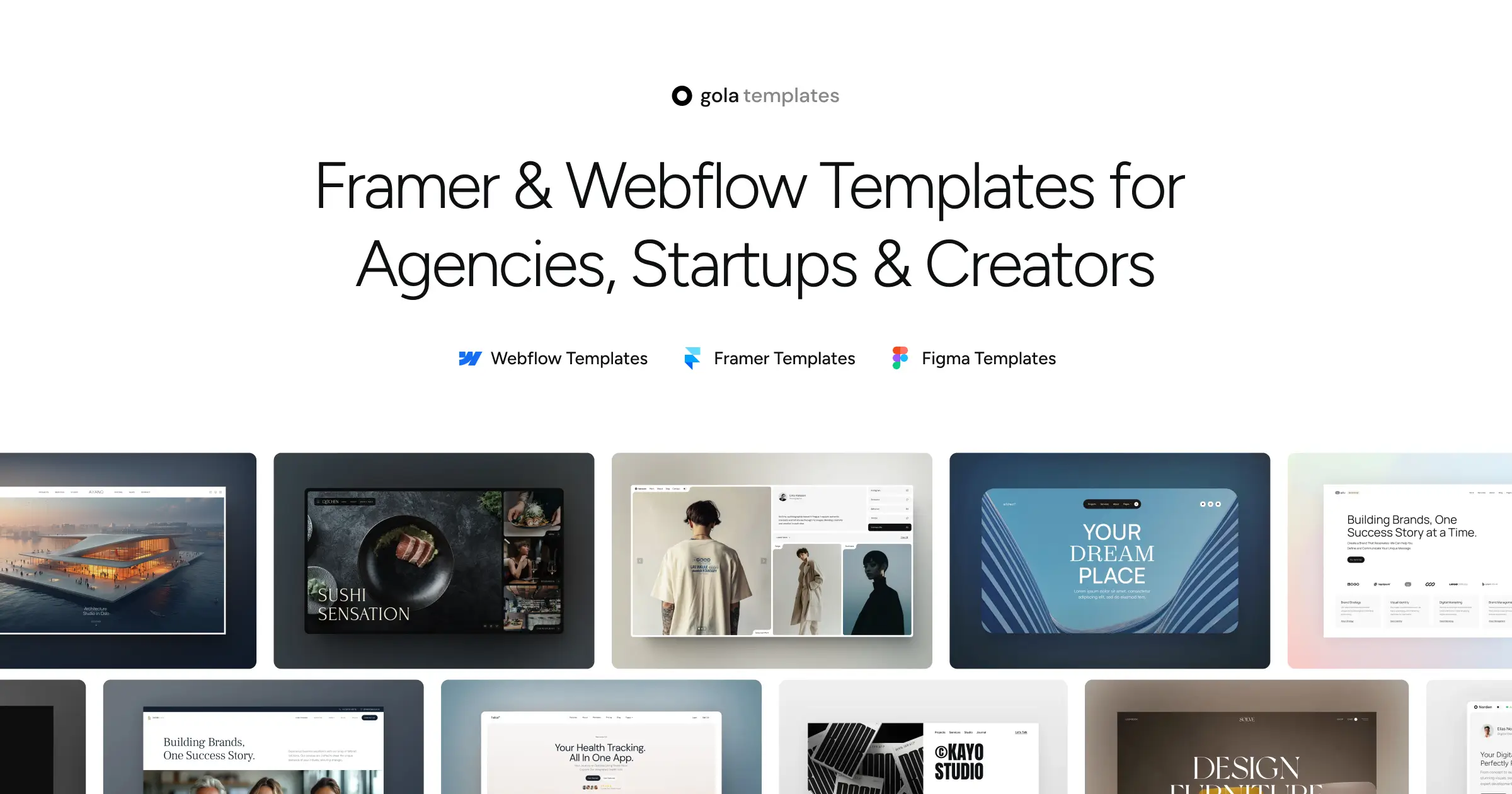
Gola Templates is a game-changer for developer portfolio websites, especially for those seeking speed and style. With pricing ranging from $79–$99 for individual templates and a one-time All Access Lifetime Membership, users get premium value.
Core Features:
No-code templates for Framer, Webflow, and Figma
Pixel-perfect, modular UI
Smart CMS integration
SEO-ready and fully responsive
These features allow developers to launch beautiful, modern developer portfolio websites quickly, without touching code. Gola Templates is ideal for freelancers, agencies, startups, and SaaS creators who want to focus on content, not technical setup.
Unique Advantages:
Lifetime updates
Unlimited commercial license
Editable Figma files
Premium customer support
Pros:
Saves time
No coding required
Lifetime value
Cons:
Template-based, not fully custom-coded
With over 17,000 creators sharing success stories, Gola Templates sets a high bar for developer portfolio websites.
Framer
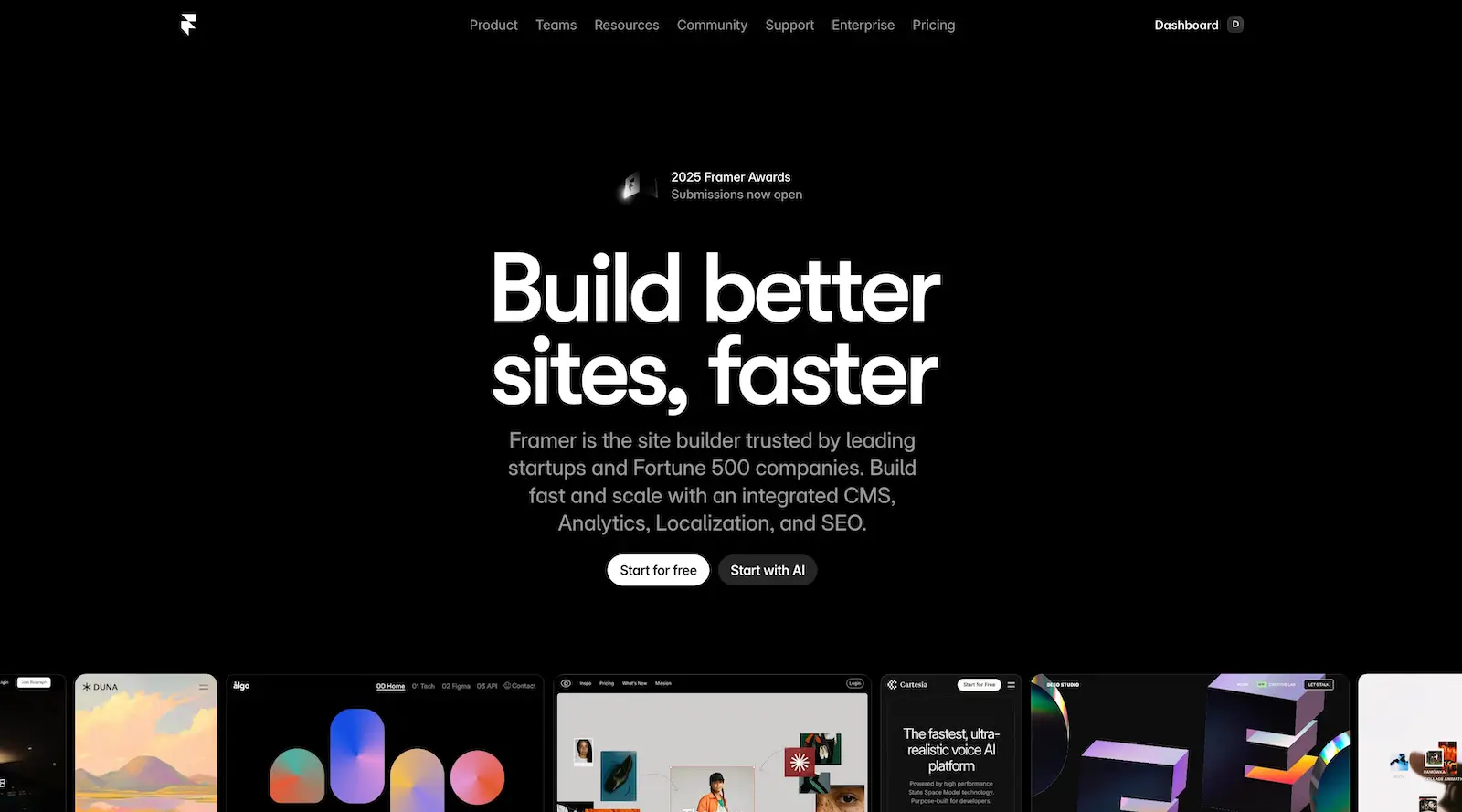
Framer has become a leading choice for developer portfolio websites, thanks to its flexibility and robust features. The platform offers a free plan, with paid options starting at $10/month.
Core Features:
Visual drag-and-drop builder
Advanced animations and interactions
Built-in CMS
Responsive design and SEO controls
Framer provides users with complete design control, which has made it a favored choice among both designers and developers. Its clean code export capabilities and scalable hosting solutions make it an excellent option for professional developer portfolio websites.
Unique Advantages:
Extensive collection of templates
Vibrant community and dynamic marketplace
Pros:
No-code/low-code flexibility
Professional results
Learning curve for advanced features
Cons:
Higher cost for some plans
Framer's Showcase highlights numerous exceptional developer portfolio websites, inspiring thousands around the globe.
Webflow
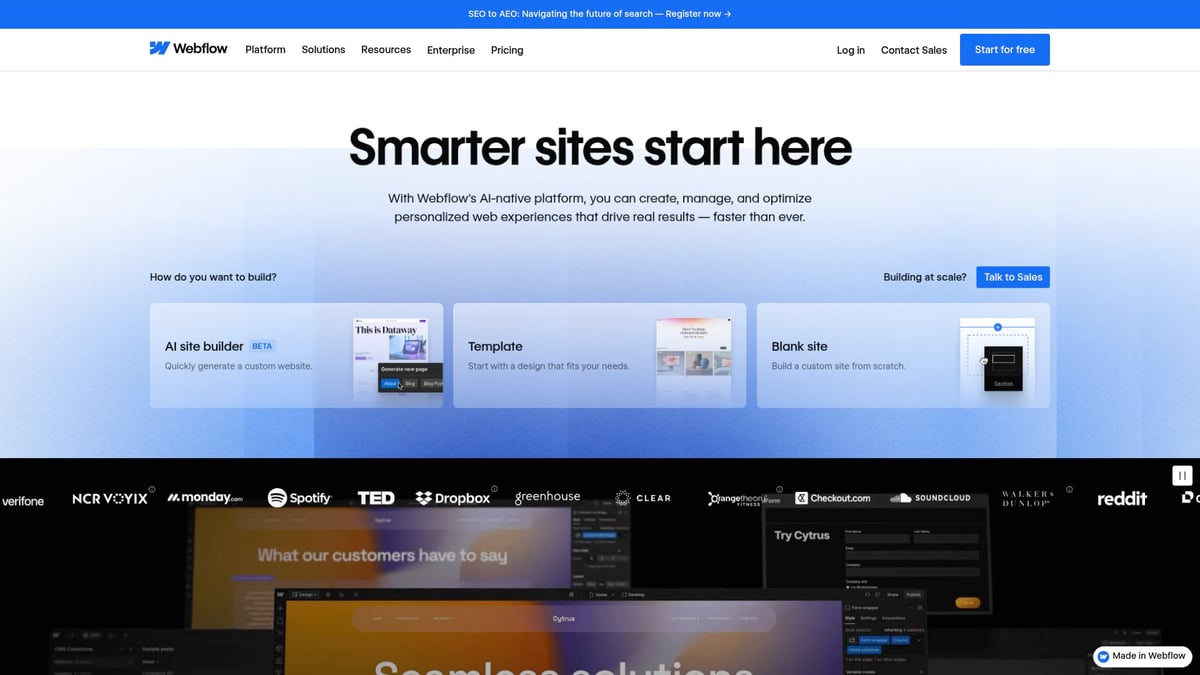
Framer has become a leading choice for developer portfolio websites, thanks to its flexibility and robust features. The platform offers a free plan, with paid options starting at $10/month.
Core Features:
Visual drag-and-drop builder
Advanced animations and interactions
Built-in CMS
Responsive design and SEO controls
Framer empowers users with full design control, making it popular with both designers and developers. The clean code export and scalable hosting make it suitable for professional developer portfolio websites.
Unique Advantages:
Large library of templates
Active community and marketplace
Pros:
No-code/low-code flexibility
Professional results
Learning curve for advanced features
Cons:
Higher cost for some plans
Many standout developer portfolio websites are featured in Framer's Showcase, inspiring thousands worldwide.
GitHub Pages
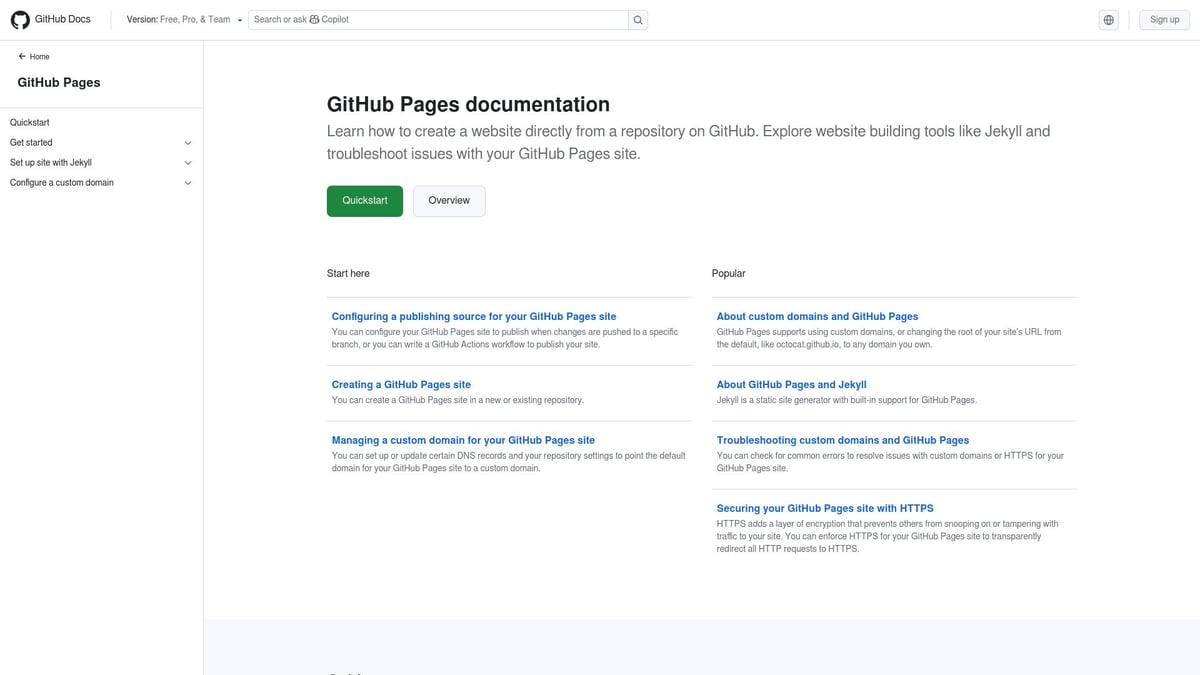
GitHub Pages is a favorite among developers looking to create authentic developer portfolio websites that put code front and center. The platform is entirely free.
Core Features:
Host static sites directly from GitHub repositories
Supports Jekyll for blog integration
Custom domain support
GitHub Pages is ideal for developers who want to showcase both their code and their projects in a seamless way. Integration with GitHub activity adds credibility and transparency to developer portfolio websites.
Unique Advantages:
Free hosting and open-source flexibility
Version control and easy collaboration
Pros:
Highly customizable for developers
No cost
Cons:
Limited dynamic features
Some technical setup required
Many open-source contributors use GitHub Pages for their developer portfolio websites, highlighting real-world projects and code.
Behance
Behance continues to be a leading platform for visually-driven developer portfolio websites. It is free to use and designed for creatives who want maximum exposure.
Core Features:
Showcase creative and technical projects
Integrate images, videos, and prototypes
Networking and feedback opportunities
Behance connects developers with a vast global audience, making it easier to get noticed. Adobe integration streamlines project uploads for those using Creative Cloud.
Unique Advantages:
Project analytics and insights
Exposure to recruiters and agencies
Pros:
Excellent for visual portfolios
Free and easy to use
Cons:
Less focused on deep technical/code projects
Portfolio style limited by platform
Top Behance developer portfolio websites are regularly featured in “Best of Behance,” providing inspiration for the community.
Carbonmade
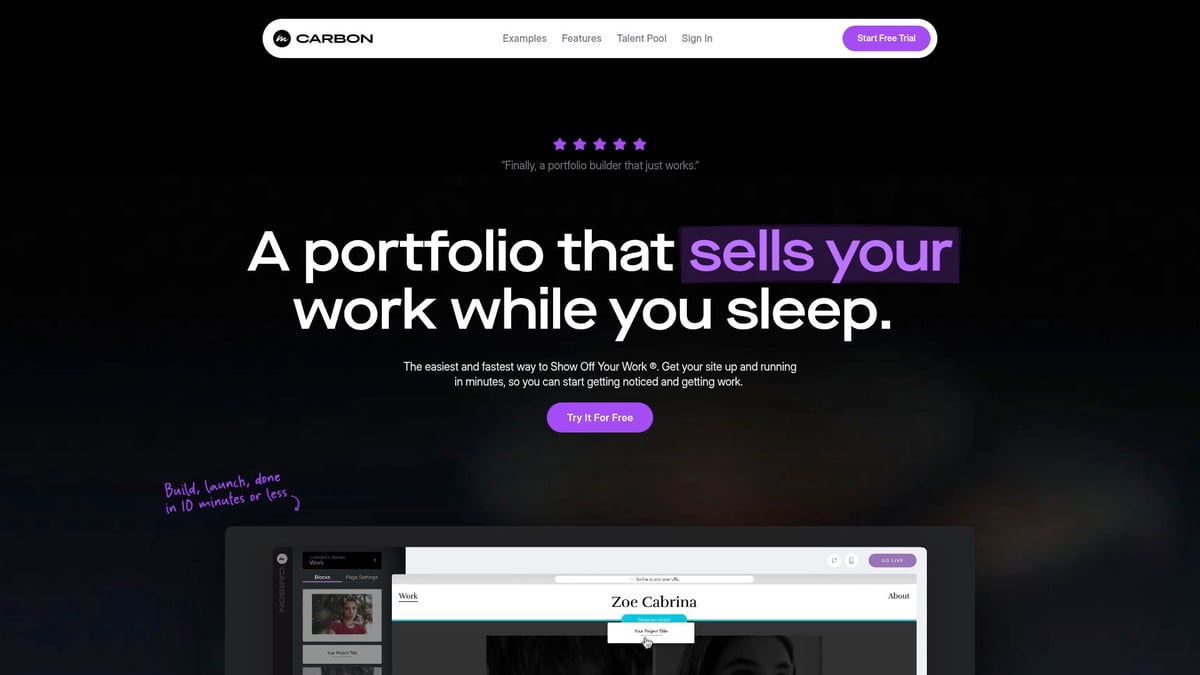
Carbonmade offers a playful yet powerful approach to developer portfolio websites, starting at $9/month with a free trial available.
Core Features:
Drag-and-drop builder
Customizable layouts and unlimited projects
Supports video and image content
Setup is fast, making it ideal for developers who want their developer portfolio websites live within hours. The creative templates and fun interface appeal to designers and illustrators as well.
Unique Advantages:
Built for creative professionals
Playful, engaging user experience
Pros:
Visually engaging
No coding required
Cons:
Less technical customization
Advanced features require a paid plan
Many standout developer portfolio websites use Carbonmade templates to showcase unique work.
Dribbble
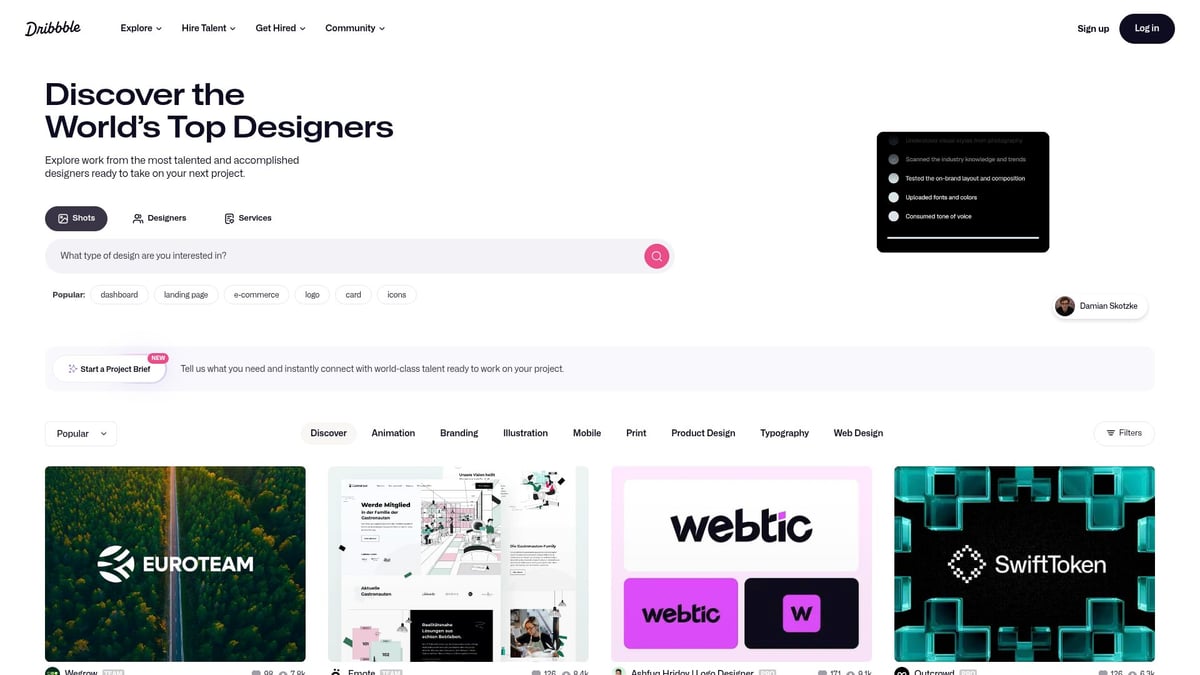
Dribbble is a hub for creative professionals building developer portfolio websites with an emphasis on design and front-end work. The platform has a free tier and Pro plans starting at $5/month.
Core Features:
Showcase design and code projects as “shots”
Recruiter connections and job board
Team portfolio support
Dribbble’s large community provides exposure and networking, making it a strong choice for front-end specialists. Developer portfolio websites here are easy to share and receive feedback on.
Unique Advantages:
Networking features
Easy sharing with a creative audience
Pros:
Community-driven
Great for networking
Cons:
Not ideal for backend/deep technical portfolios
Highly competitive
Top-rated developer portfolio websites on Dribbble often lead to freelance opportunities and collaborations.
WordPress.com
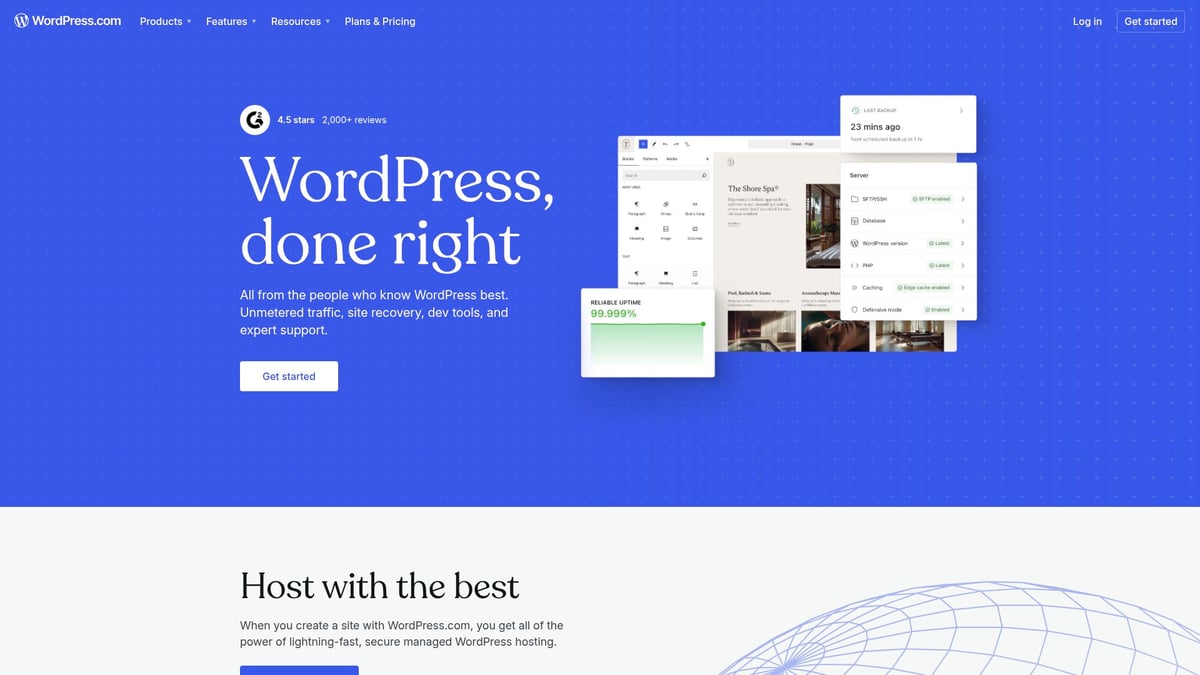
WordPress.com remains a top choice for scalable and customizable developer portfolio websites. It offers a free plan and paid options starting at $4/month.
Core Features:
Customizable themes and plugin support
Integrated blog and SEO tools
Scalable hosting
WordPress.com is ideal for developers who want content-rich developer portfolio websites with blogging capabilities. The vast theme marketplace allows for deep customization.
Unique Advantages:
Open-source flexibility
Extensive resource library
Pros:
Highly customizable
Scalable for future growth
Cons:
Requires some setup and maintenance
Potential plugin/theme compatibility issues
Many developers use WordPress.com for their developer portfolio websites, integrating blogs, case studies, and project demos.
Semplice
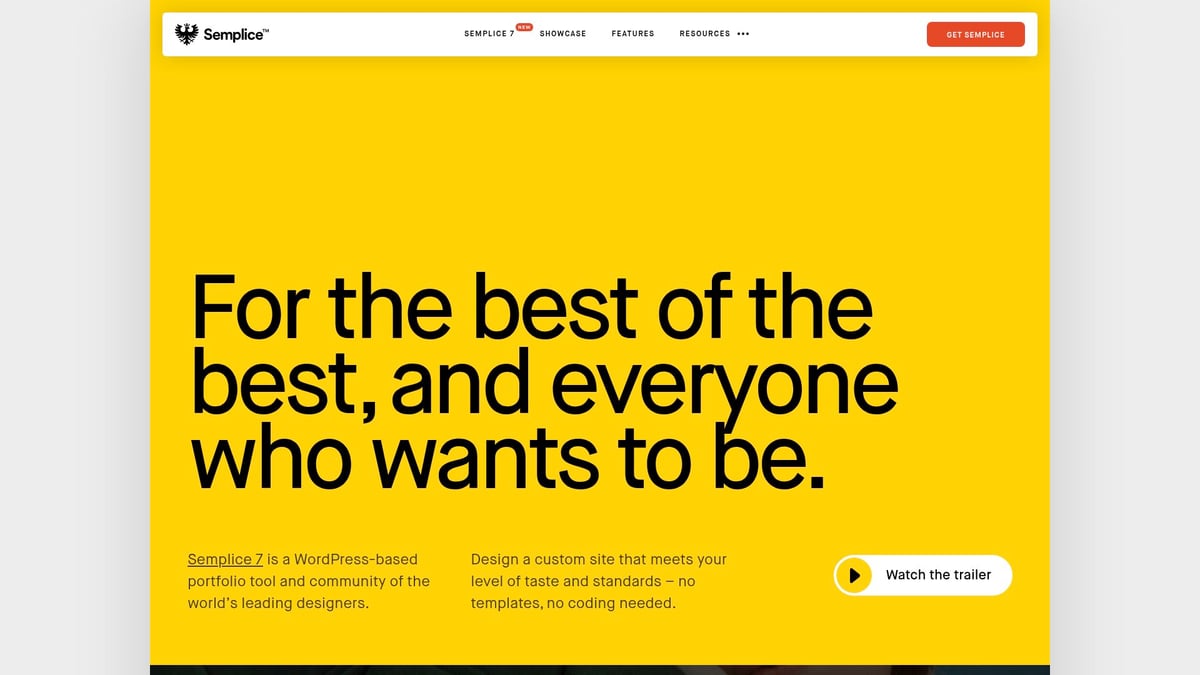
Semplice provides high-end, fully customizable developer portfolio websites for those who want total creative control. Pricing starts at a one-time payment of $139.
Core Features:
Portfolio builder for WordPress
Advanced design controls and drag-and-drop editor
Case study templates and custom animations
Semplice is crafted for designers and developers aiming for unique, award-winning developer portfolio websites. No recurring fees make it an attractive long-term investment.
Unique Advantages:
No ongoing costs
Professional layouts and deep customization
Pros:
One-time payment
Tailored for creative professionals
Cons:
Requires WordPress hosting
Higher upfront cost
Award-winning developer portfolio websites built with Semplice set the standard for creativity and effectiveness.
How to Choose the Right Portfolio Platform for Your Needs
Selecting the best platform for your developer portfolio websites is an important step in building a professional presence. The right choice depends on your skills, goals, and the impression you want to make. By evaluating a few core factors, you can find the perfect fit for your unique journey.
Assessing Your Technical Skills and Preferences
Start by honestly evaluating your comfort level with different tools and technologies. If you prefer hands-on coding, platforms that offer full control over the stack might suit you best. If you want a smoother setup, look for no-code or low-code solutions designed for developer portfolio websites.
Think about your preferred workflow. Do you enjoy using drag-and-drop interfaces, or do you like working directly with markdown or code editors? Your answer will guide your platform choice. Prioritize design flexibility if you want a unique look, or opt for speed if launching quickly is your main goal.
Identifying these preferences early ensures that building and maintaining your developer portfolio websites remains efficient and enjoyable.
Defining Your Portfolio Goals and Audience
Clarify why you are creating developer portfolio websites. Are you seeking a new job, aiming to attract freelance clients, or representing an agency? Your platform should support the type of content and projects you want to showcase.
Consider which industries you are targeting and what skills you want to highlight. Some platforms are better for interactive demos, while others excel at presenting case studies or blog content. Staying aware of current trends can help your site stand out—explore Innovative Portfolio Presentation Trends for inspiration on modern approaches.
Tailoring your developer portfolio websites to your goals and audience maximizes impact and relevance.
Comparing Features, Pricing, and Scalability
Once your goals are clear, compare platforms based on features, pricing, and future growth. Some developer portfolio websites offer free plans, while others require subscriptions for advanced capabilities.
Create a table to organize your comparison:
Platform | Free Plan | Paid Options | Customization | Scalability |
|---|---|---|---|---|
Framer | Yes | Yes | Very High | High |
Webflow | Yes | Yes | High | High |
GitHub Pages | Yes | No | Very High | Moderate |
Carbonmade | Trial | Yes | Moderate | Moderate |
Evaluate which essential features—like CMS integration, SEO tools, or hosting—are must-haves. For an in-depth look at platform options, check the Best Portfolio Website Builders 2025 guide. Balance your budget with the scalability you may need as your projects grow.
Reviewing these factors ensures your developer portfolio websites can evolve alongside your career.
Real-World Examples and User Experiences
Learning from others can offer valuable insight into choosing developer portfolio websites. Many developers have shared stories of landing jobs or clients after launching a new portfolio. Testimonials and user reviews highlight strengths and weaknesses of different platforms.
Seek out case studies from peers who have redesigned or migrated their sites. Pay attention to lessons learned about features, support, and platform reliability. Real-world feedback helps you avoid common pitfalls and focus on what works.
By considering user experiences, you set your developer portfolio websites up for long-term success and measurable results.
Essential Features of a Standout Developer Portfolio Website in 2026
Standing out in the crowded field of developer portfolio websites in 2026 means more than simply displaying your work. The most successful sites blend cutting-edge design, usability, and technology to create a lasting impression on recruiters, clients, and collaborators.
Responsive, Mobile-First Design & Performance
Every developer portfolio website must provide a seamless experience across devices. Responsive, mobile-first layouts ensure your work looks sharp on smartphones, tablets, and desktops. Performance is equally critical. Fast loading times keep visitors engaged and improve search rankings. Optimize images, leverage modern frameworks, and use performance tools to achieve this. For those seeking quick, professional results, exploring Free portfolio Framer templates can be an excellent starting point.
Project Showcases, Interactivity, and Demos
Dynamic project showcases are at the heart of developer portfolio websites. Integrate live demos, code samples, or interactive elements to demonstrate your technical skills in action. Embedding GitHub repositories or using code playgrounds allows visitors to explore your work hands-on. Storytelling through detailed case studies elevates your impact and helps you stand out from template-driven sites.
Navigation, SEO, and Clear Calls-to-Action
Intuitive navigation is essential. Visitors should find your best work, resume, and contact details with minimal clicks. Strong calls-to-action invite recruiters or clients to reach out, download your CV, or view your code. Implement SEO best practices—clean URLs, structured metadata, and optimized content—to maximize visibility and search performance.
Personal Branding and Accessibility
Personal branding sets developer portfolio websites apart. Use a custom domain, unique logo, concise bio, and consistent color palette to reinforce your identity. Accessibility matters more than ever. Ensure your site is usable by everyone, including those with disabilities, by following WCAG guidelines and testing with screen readers. For inspiration, browse Personal branding templates for Framer to see how design can amplify your story.
Regular Updates and Maintenance
A standout portfolio is never static. Update your site regularly with new projects, achievements, and skills. Remove outdated content and monitor site health to maintain credibility in the fast-evolving tech landscape.
Quick Feature Checklist
Feature | Why It Matters |
|---|---|
Responsive Design | Engages all devices |
Fast Loading | Improves retention |
Project Demos | Showcases skills |
Clear Navigation | Enhances usability |
SEO Optimization | Boosts visibility |
Personal Branding | Builds recognition |
Accessibility | Inclusive experience |
Regular Updates | Stays relevant |
By focusing on these essential elements, developer portfolio websites in 2026 can attract more opportunities and leave a memorable impression.
Share article
$249
$3601
All Access
Save with our all access bundle - get access to all premium Framer templates.
38
+
Framer Templates
51
+